Parasailing
Recommended
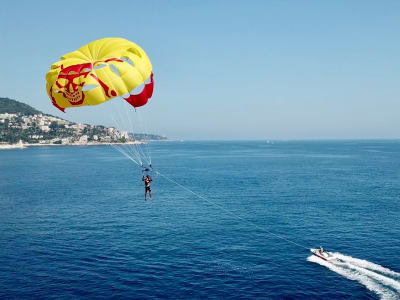
Parasailing in the Baie des Anges, Nice
(55)
Organized by Nikaïa Water Sport
Nice, France
From 10 min to 15 min
From€70
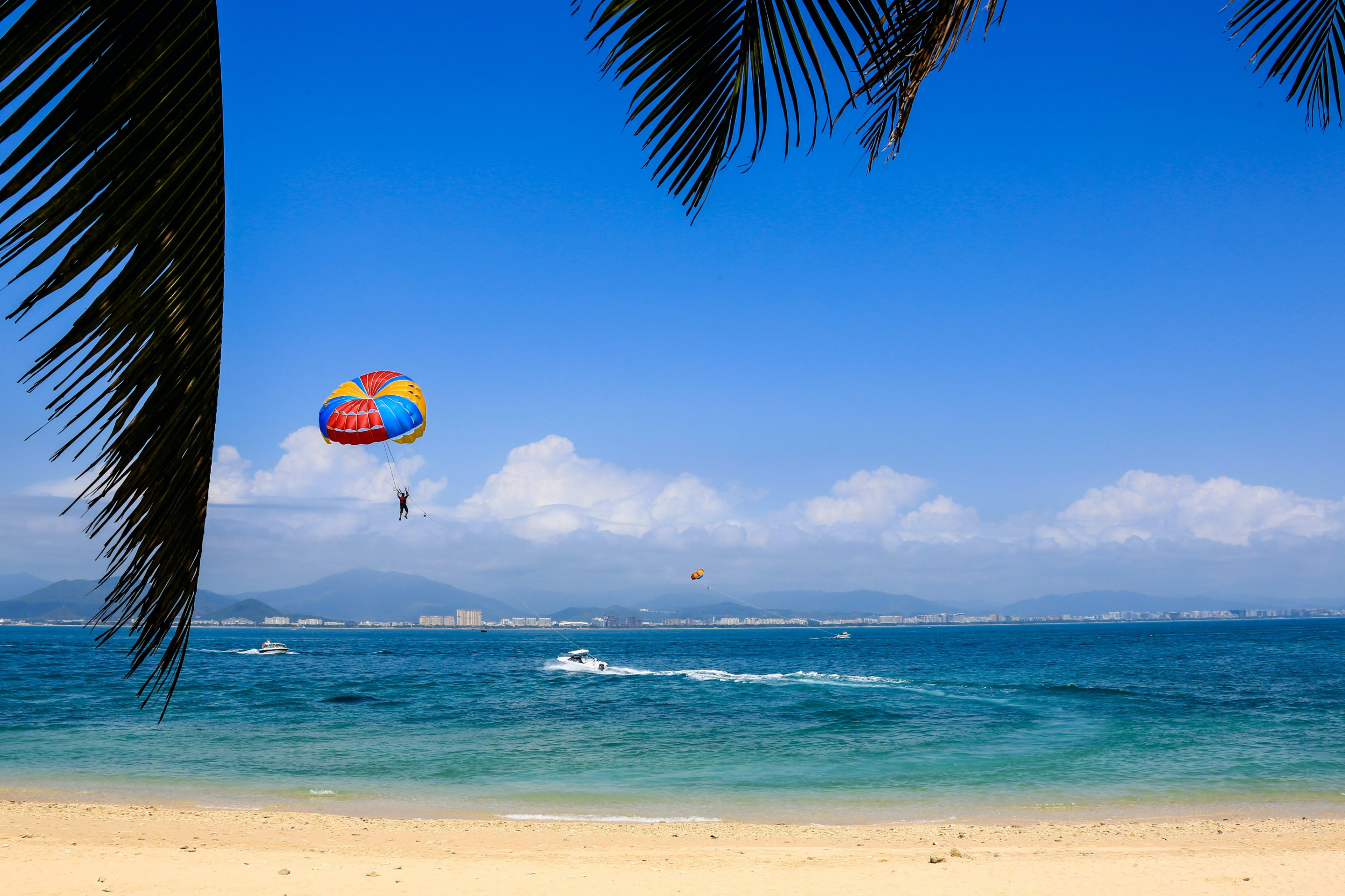
Whether you love the thrills or are simply looking for a new way to enjoy the outdoors, parasailing is an activity that is sure to create lasting memories and a unique experience.
Welcome to Manawa, the website for booking outdoor activities around the world. From diving to canyoning, we connect adventure enthusiasts with professional local instructors to guarantee unforgettable experiences.
Before you take off, we've gathered all you need to know about your parasailing flight. Embark on an adventure that offers the perfect blend of tranquility and adrenaline! As you are lifted into the air, suspended beneath a parachute, you will feel the wind in your face and discover breathtaking beach landscapes. Let us guide you through the general information you should know, and discover our best destinations to try parasailing.
Curious about parasailing? Discover everything you’ve always wanted to know before taking to the skies. We cover what to expect, how to prepare, and how to make the most of your experience.
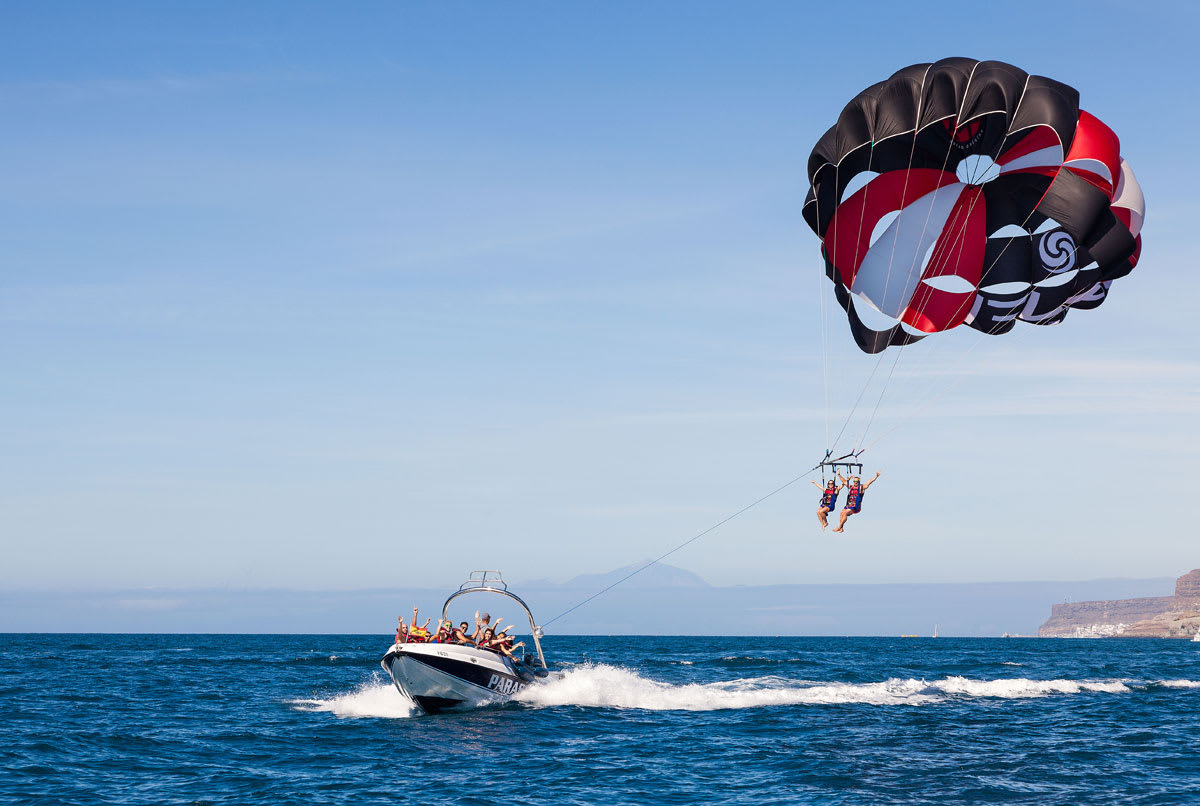
The origins of parasailing are not entirely clear, but it is thought to have originated in the 1960s on the French Riviera. In its early days, it was primarily a way for people to enjoy the beach and the ocean from a different perspective. It was also popular among watersports enthusiasts looking for new and exciting ways to experience the water.
Over time, parasailing became more popular and began to spread to other coastal areas around the world. Today, it is a well liked recreational activity in many beach resorts and is enjoyed by people of all ages and abilities.
Parasailing, also known as parascending or parakiting, is a water sport in which a person is towed behind a boat while attached to a parachute-like canopy. The parasail is connected to the boat by a harness, and as the boat picks up speed, the rider is gently lifted into the air, gliding effortlessly through the sky.
During a parasailing experience, participants are securely harnessed to the parasail before takeoff. As the boat moves forward, the canopy fills with air and gradually lifts them high above the water. From there, it’s all about enjoying breathtaking views and the unique sensation of weightlessness and freedom.
While in the air, it’s possible to influence direction and altitude slightly by shifting body position, although most of the control remains with the boat crew. Communication is typically done through simple hand signals, ensuring a smooth and enjoyable experience throughout the flight.
Each session is supervised by trained professionals who handle the equipment, operate the boat, and ensure everything runs safely. Their guidance allows participants to relax and fully enjoy the experience from takeoff to landing.
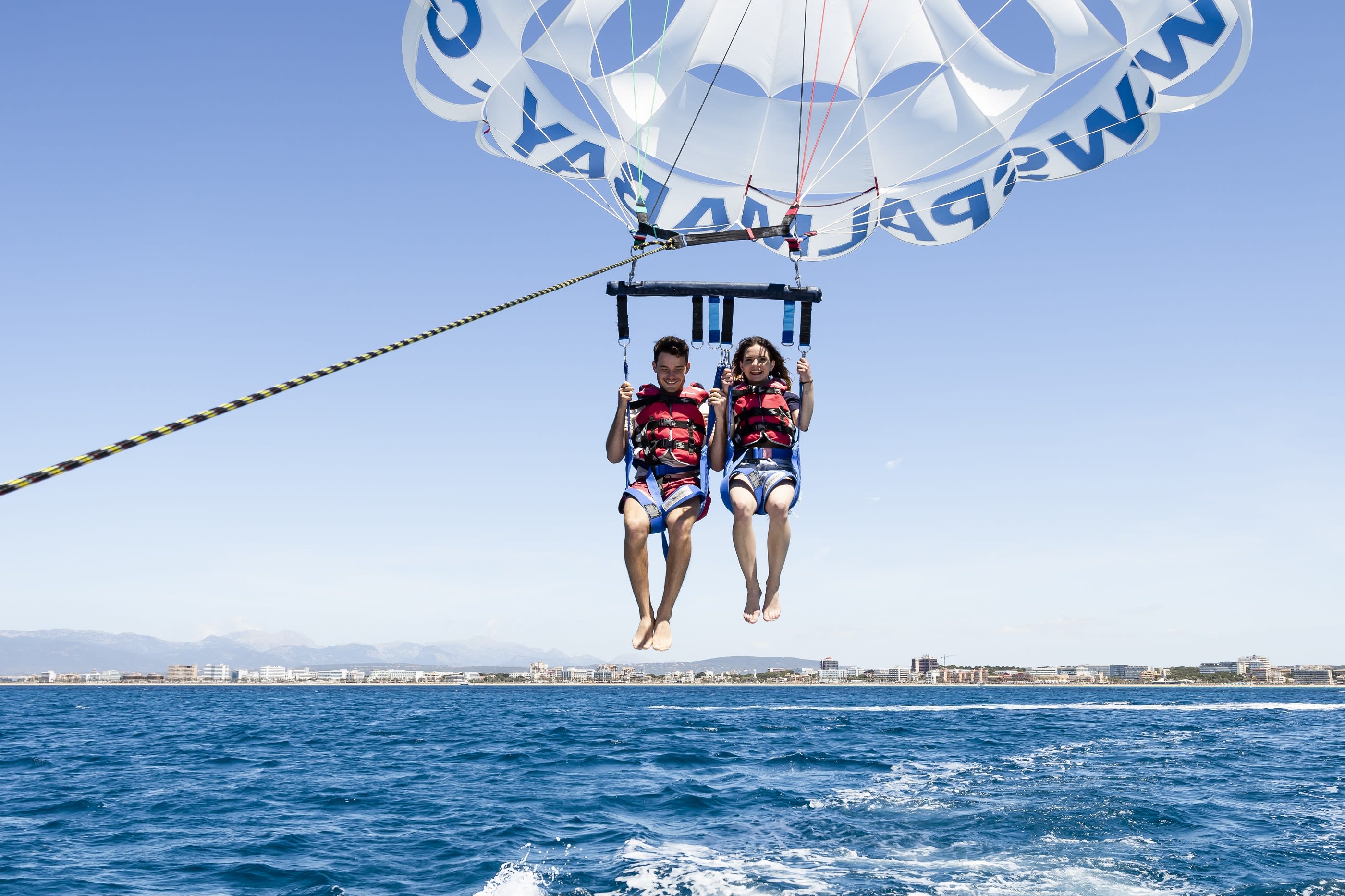
There are several different types of parasailing, each with its unique features and characteristics. The most common types of parasailing are:
With solo parasailing a single person is tied to a parasail and is towed behind the boat by themselves. This is a popular option for people who want to enjoy the thrill of parasailing on their own. You can practice solo parasailing in Pilar de la Horadada!
When tandem parasailing two people are attached to the same parasail and are towed behind the boat together. This is the most common type of parasailing and is often used for couples or friends who want to share the experience.
A 3 people flight! You can enjoy this shared triple parasailing experience in Malaga for example! A perfect activity to do with your friends.
The parasail is attached to a winch on the boat, rather than being towed by the boat. This allows the parasailer to be lifted and lowered more easily, and it is often used for people who are not comfortable being towed behind the boat.
The parasailer is attached to the boat and can perform stunts and tricks while being towed behind the boat. This is a popular option for experienced watersports enthusiasts who want to combine the thrill of parasailing with the fun of wakeboarding.
The type of parasailing you choose will depend on your personal preferences and abilities. Most parasailing companies offer various options, and they can help you choose the style that is right for you.
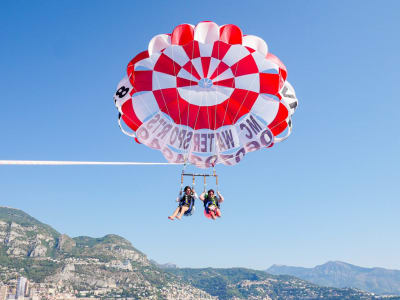
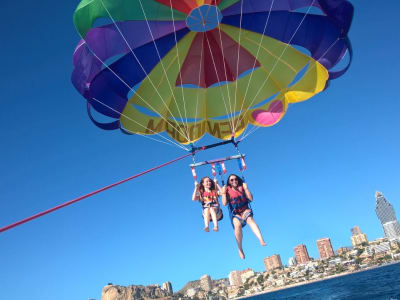
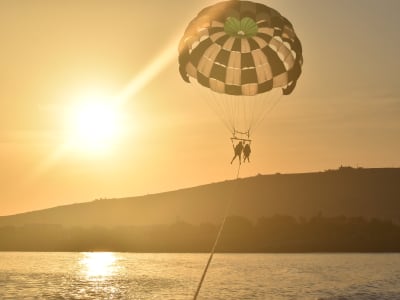
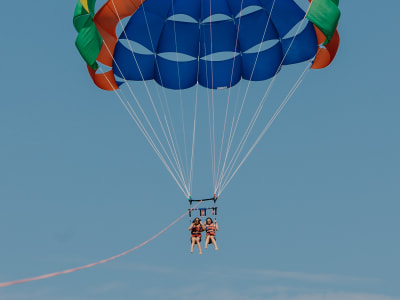
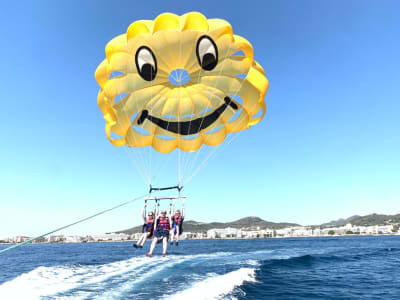
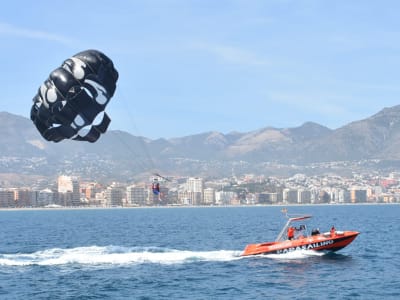
The maximum number of people who can try parasailing at once will depend on the size and capacity of the boat, as well as the size and strength of the winch and the parasail. Most boats can accommodate several parasailers at once, and some larger boats may be able to accommodate more than 10 parasailers at once. It also depends on the parasailing company and instructors! In general, most parasailing companies and instructors offer tandem or group flights for couples, families, or groups of friends.
However, beyond the number of participants, one of the most important factors is the maximum weight allowed under the parachute. This limit varies depending on the provider, but it is typically around 160 kg (350 lbs) and can go up to about 200 kg (440 lbs). The combined weight of all participants flying together must stay within this limit, and it may also be adjusted depending on weather conditions such as wind.
In calm and stable weather, most boats can accommodate multiple parasailers at once. However, in windy or rough conditions, the boat may need to limit the number of parasailers to ensure safety and comfort. For this reason, it is always recommended to check the exact weight restrictions with your parasailing operator before booking.
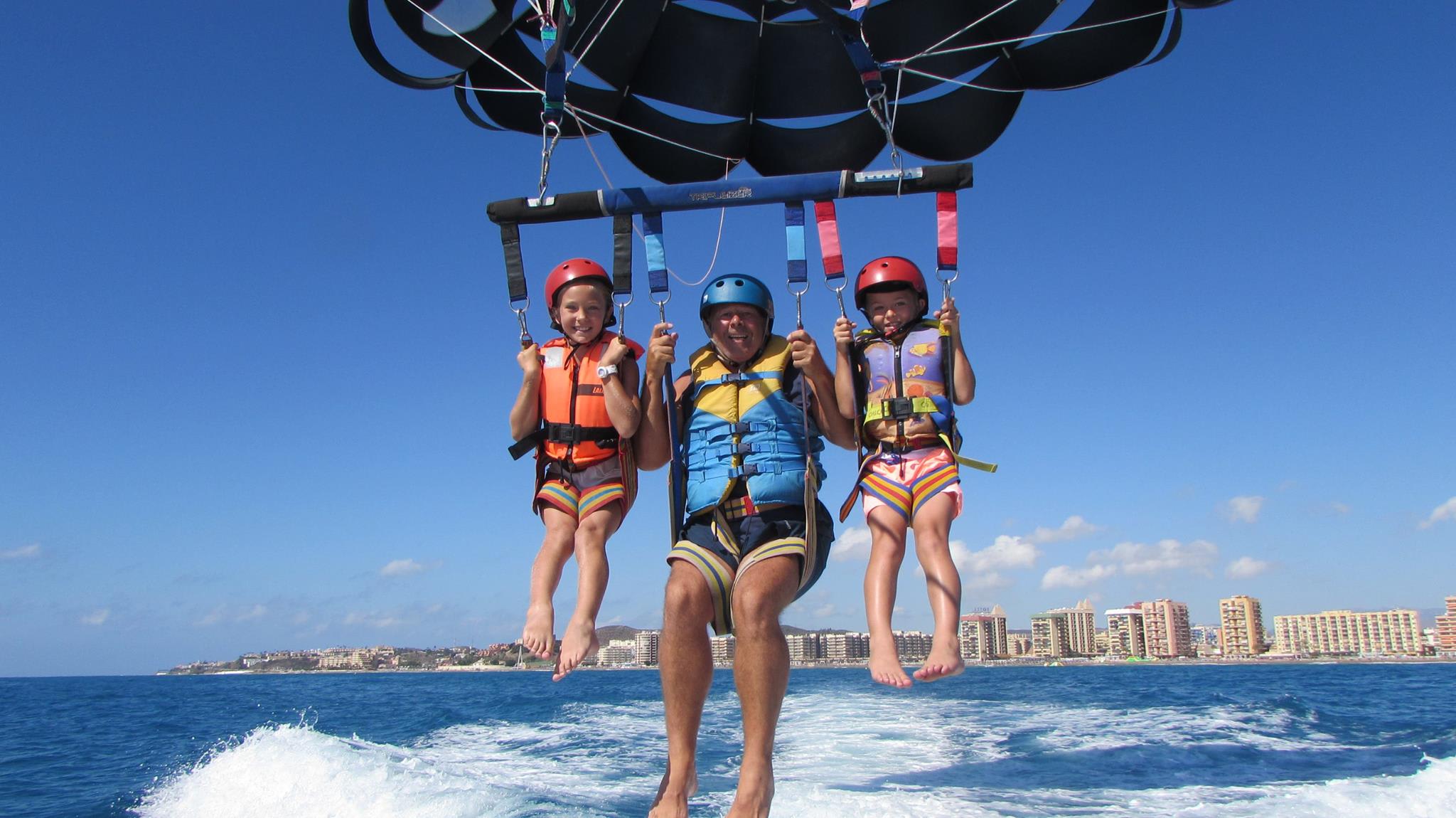
The equipment used for parasailing typically includes a parasail, a harness, a winch, and a safety jacket.
The parasail is the large, parachute-like canopy that is used to lift the parasailer into the air. It is typically made of strong and durable materials, such as nylon or polyester, and is designed to withstand the forces of wind and water. The harness is the device that is used to attach the parasailer to the parasail. It is typically a padded and adjustable harness that is worn around the waist and legs, and it is designed to provide support and comfort while in flight. The winch is the device that is used to lift and lower the parasailer. It is typically a hydraulic or electric winch that is mounted on the boat, and it is used to control the speed and altitude of the flight.
The equipment used for parasailing is designed to provide the parasailer with a safe and comfortable experience and to ensure that the flight is controlled and enjoyable. By using high-quality equipment and following the instructions and guidance of the instructor or crew, you can ensure that your parasailing experience is safe and enjoyable.
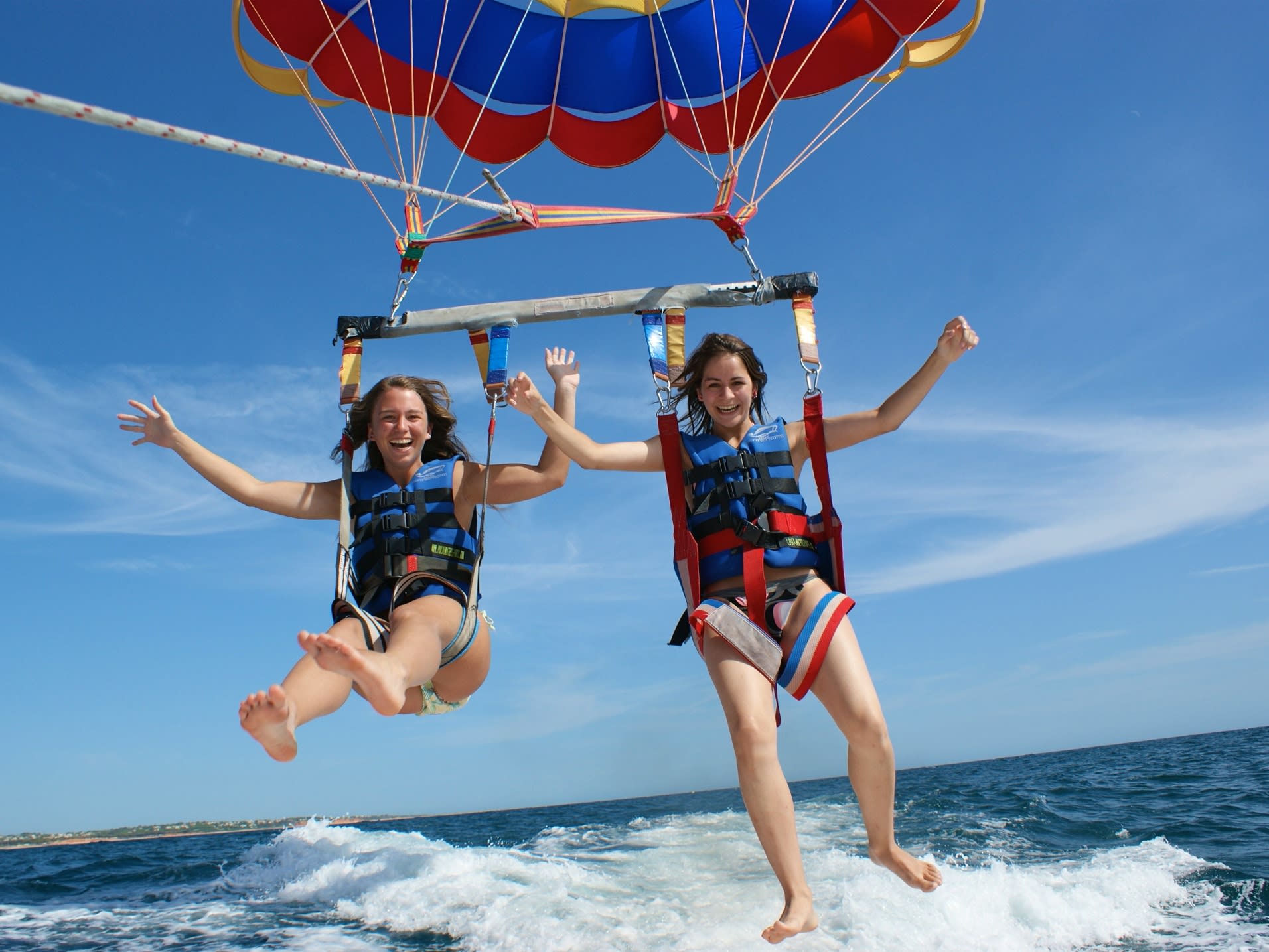
Parasailing is an activity that is suitable for people of all ages and abilities. However, some physical and medical conditions may prevent certain individuals from participating in parasailing.
In general, people who are in good physical health are eligible to participate in the activity. This typically includes people who are free of heart, lung, or other serious medical conditions, and who are not pregnant or otherwise physically compromised. If you are unsure whether you are eligible to participate in parasailing, you should consult with your doctor or with the parasailing company or instructor before making any decisions.
The best time to do parasailing depends on a variety of factors, including the weather, the location, and your personal preferences. Generally, the best time to do parasailing is when the weather is calm and stable, and when the winds and currents are not too strong. This will help ensure that your flight is safe and comfortable and that you can enjoy the full experience.
In terms of location, the best time to do parasailing will depend on where you are and what you want to see and do. If you are in a tropical location, the best time is usually during the dry season, when the weather is warm and sunny. If you are in a cooler climate, the best time to do this activity is usually during the warmer months, when the weather is more stable and pleasant.
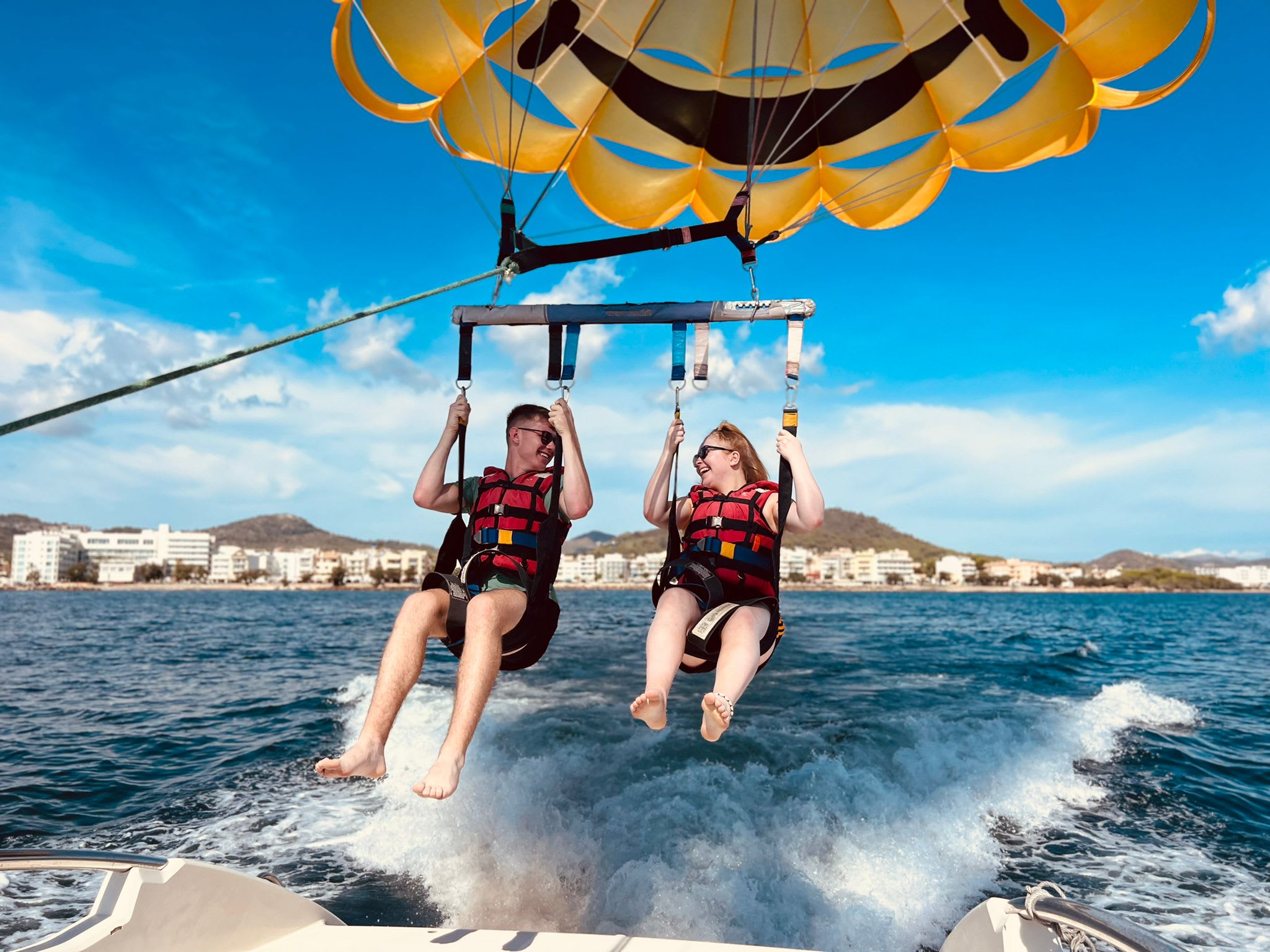
There are many reasons why you might want to try parasailing. Some people are attracted to the thrill and excitement of being lifted into the air and soaring like a bird. Others are drawn to the beautiful views and the sense of freedom and weightlessness that comes with being suspended above the water. In addition to the enjoyment, it can also be a great way to improve physical fitness and challenge yourself physically and mentally! It can also be a great way to make new friends and create lasting memories.
There is no such thing as zero risk, but parasailing is generally considered a safe and well-controlled activity. While some risks, such as minor injuries or loss of control, can exist, professional operators use high-quality equipment and provide a safety briefing before every session. Participants are also equipped with a life jacket, adding an extra layer of safety throughout the experience.
To minimize risks, it’s important to carefully follow the instructor’s guidance and use all recommended safety equipment. Listening to the pre-flight briefing and respecting instructions during the activity play a key role in ensuring a safe and enjoyable flight. Parasailing is generally safe when practiced with a reliable operator that takes safety seriously. Reputable providers follow strict safety standards and maintain their equipment regularly. The parasail, harness, tow line, and boat are all inspected to ensure everything is functioning properly.
The crew’s experience is also essential. Trained and licensed instructors know how to operate the equipment and respond to different situations, keeping participants safe from takeoff to landing. Weather conditions are closely monitored as well, and flights may be postponed if conditions are not suitable. At Manawa, a weather guarantee is offered, meaning that if conditions are not ideal, your flight can easily be rescheduled for another day without any hassle.
The medical preconditions for parasailing will depend on the specific parasailing company or instructor, as well as the individual's health and physical condition. Some of the medical conditions that may prevent an individual from participating in parasailing include:
Heart conditions, such as heart disease or high blood pressure, could be exacerbated by the physical exertion and stress of parasailing.
Lung conditions, such as asthma or chronic obstructive pulmonary disease (COPD), which could be exacerbated by physical exertion and exposure to wind and moisture during parasailing.
Neurological conditions, such as epilepsy or vertigo, could affect an individual's ability to control their flight or to respond to emergencies.
Musculoskeletal conditions, such as back or knee injuries, which could be exacerbated by the physical stresses of parasailing.
Pregnancy could be affected by physical exertion and exposure to wind and moisture during parasailing.
If you have any medical conditions or concerns, you should consult with your doctor and the parasailing company or instructor before participating in the activity. They will be able to provide you with more specific information and guidance, and they can help you determine whether parasailing is right for you.

Paragliding and parasailing are both forms of recreational aviation, but they are distinct activities.
The main differences are:
The best spots to try parasailing will depend on your personal preferences and the availability of parasailing companies and instructors in your area. In general, the best spots for parasailing are coastal areas that are known for their calm and stable weather, as well as their beautiful views and abundant marine life. These locations offer clear waters, stunning views, and reliable winds, making them perfect for parasailing:
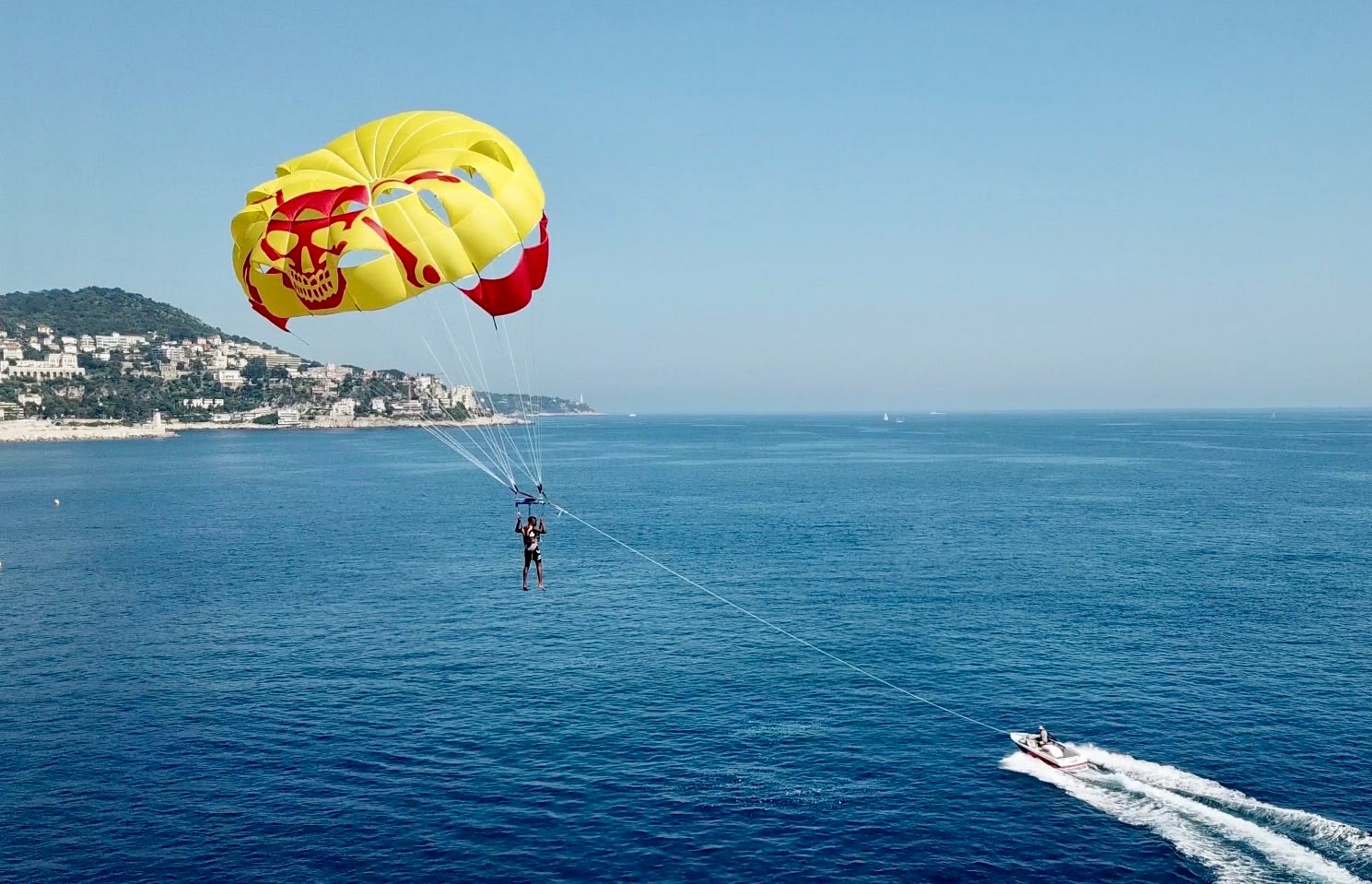
Parasailing in Nice is considered one of the best spots to practice this exciting sport! You’ll have the chance to rise up to 30 meters above the sea and admire the stunning views over the famous Baie des Anges, known for its crystal-clear waters and iconic coastline. From above, the scenery is truly unforgettable. You will also be able to spot the Promenade des Anglais, a known walkway of approximately 7 km along the Mediterranean sea.
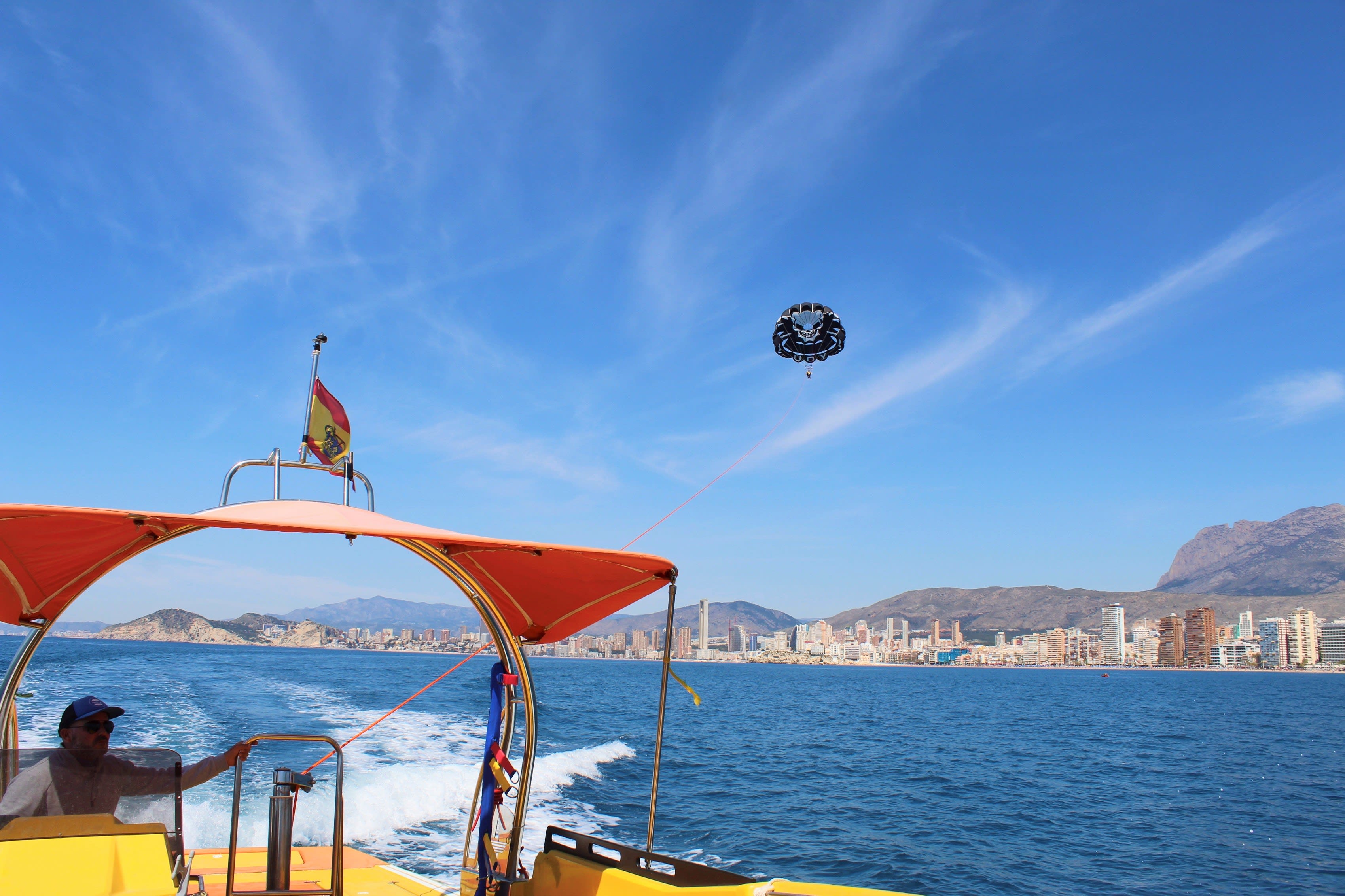
Next stop, Spain, and its perfect weather and beautiful beaches! Trying parasailing in Benidorm can be an activity you have to do at least once in your life! Set off on an adventure and discover the ocean and the land like never before. The wind in your hair and the sea air will caress your face as you enjoy this unique moment.
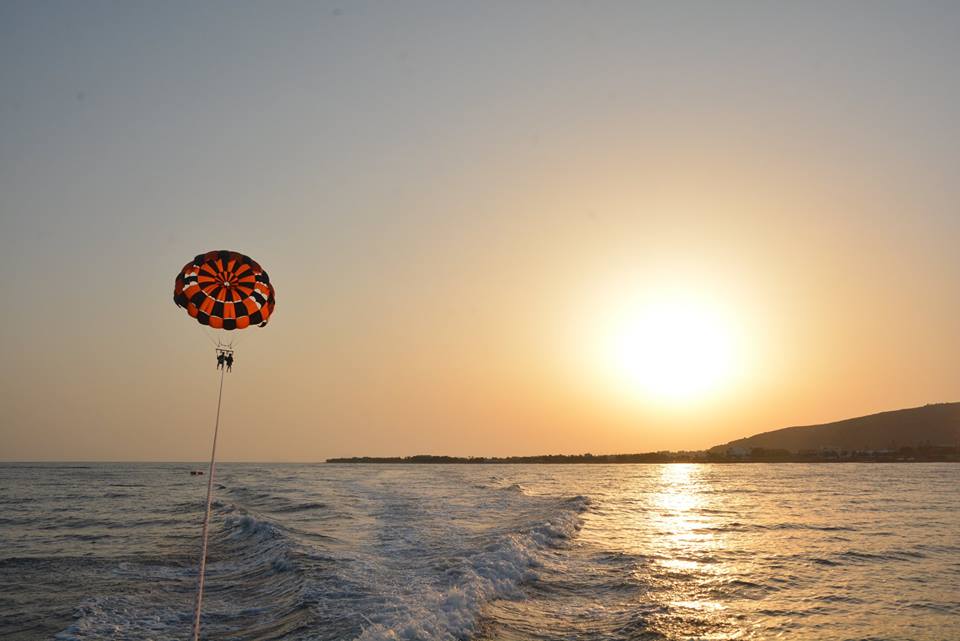
Why don't you try parasailing in Santorini, one of the best spots to experience a sensational experience? Greece is known for its dramatic sunsets, mesmerizing landscapes, and breathtaking beaches with crystal-clear waters! You will fly up to 100 meters high over the magic beauty of Mother Ocean.
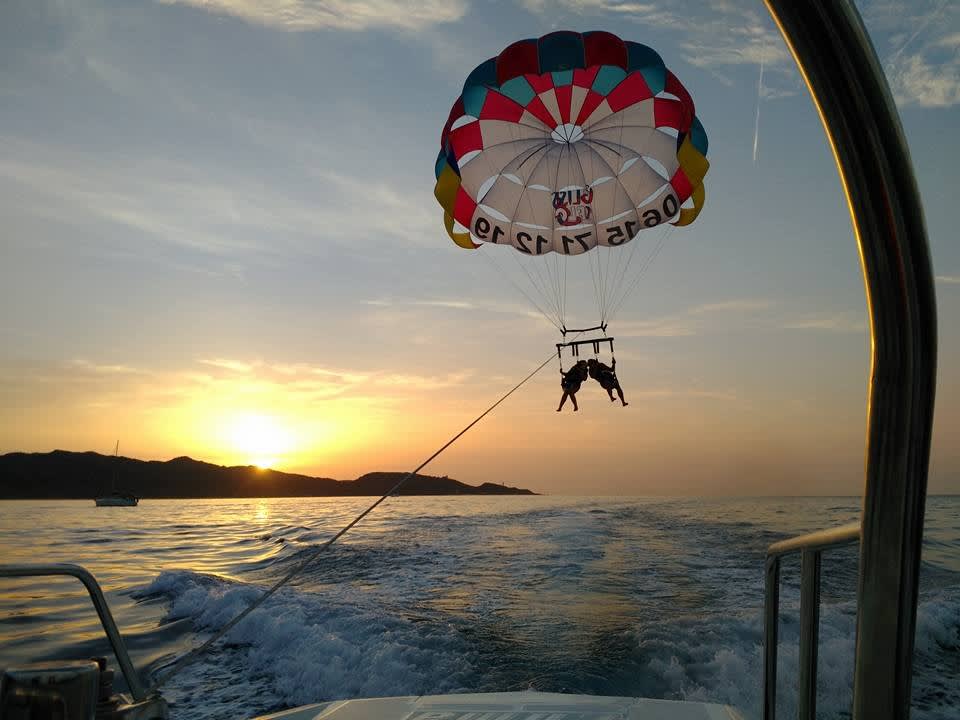
This activity will give you the chance to contemplate the Gulf of Saint-Florent and the beauty of Corsica's coasts. Enjoy the fresh sea air and get ready to fly near Bastia, the dynamic coastal resort and gastronomic and oenological center of the Island! If you travel around, make sure to try also the parasailing activity in Ajaccio!
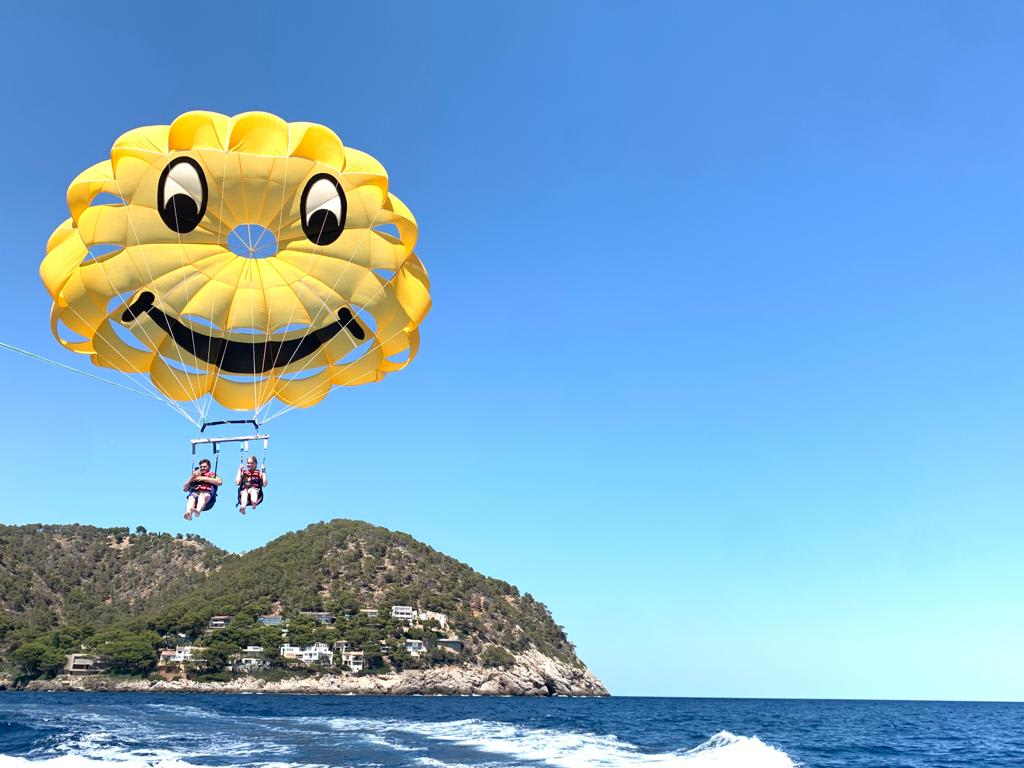
Fly up to 100 meters high during your parasailing experience in Cala Millor, a perfect place to enjoy a flight during your holidays! You will feel the adrenaline and at the same time, you will be surrounded by incredible views. The beach stretches along almost two kilometers of Mallorca's east rocky coast with its fine white sand and is around 35 meters wide, so there's plenty to admire!
After having had your head closer to the clouds with your parasailing adventure, who knows, maybe you'd like to go even higher? Get a better view of our sublime planet with paragliding activities and be dazzled by the beauty where the land meets the sea!
If you are interested in learning more about this thrilling sport you can check out our complete guide to tandem paragliding, so you could be well-prepared for this exciting experience!

Driven by a genuine passion for adventure, I love sharing my discoveries and passing on my tips with simplicity and enthusiasm. My goal: to inspire you, guide you, and spark your desire to experience your own unforgettable outdoor moments.
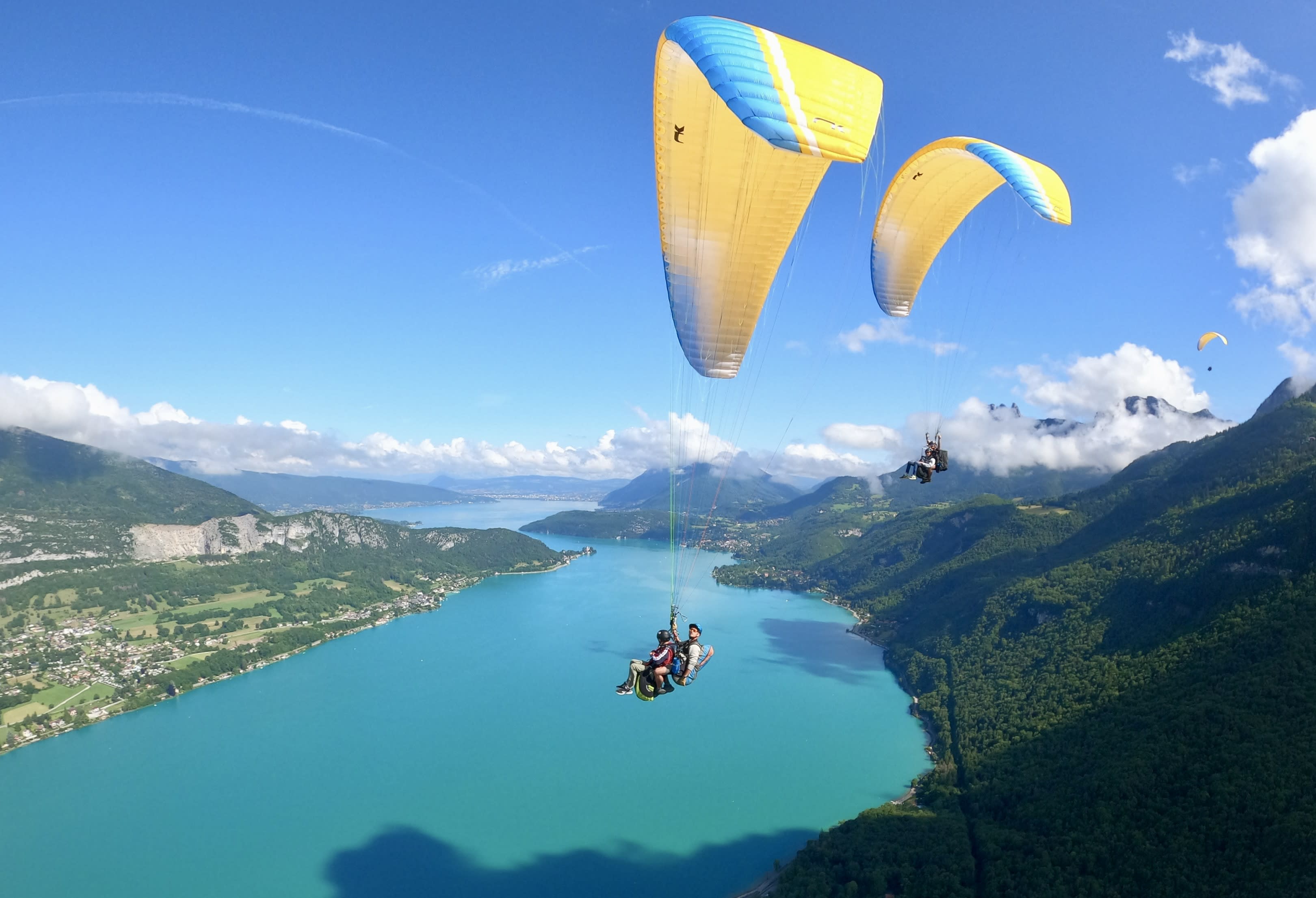
Everything you ever wanted to know about Tandem Paragliding: equipment, requirements, flight types and recommendations.
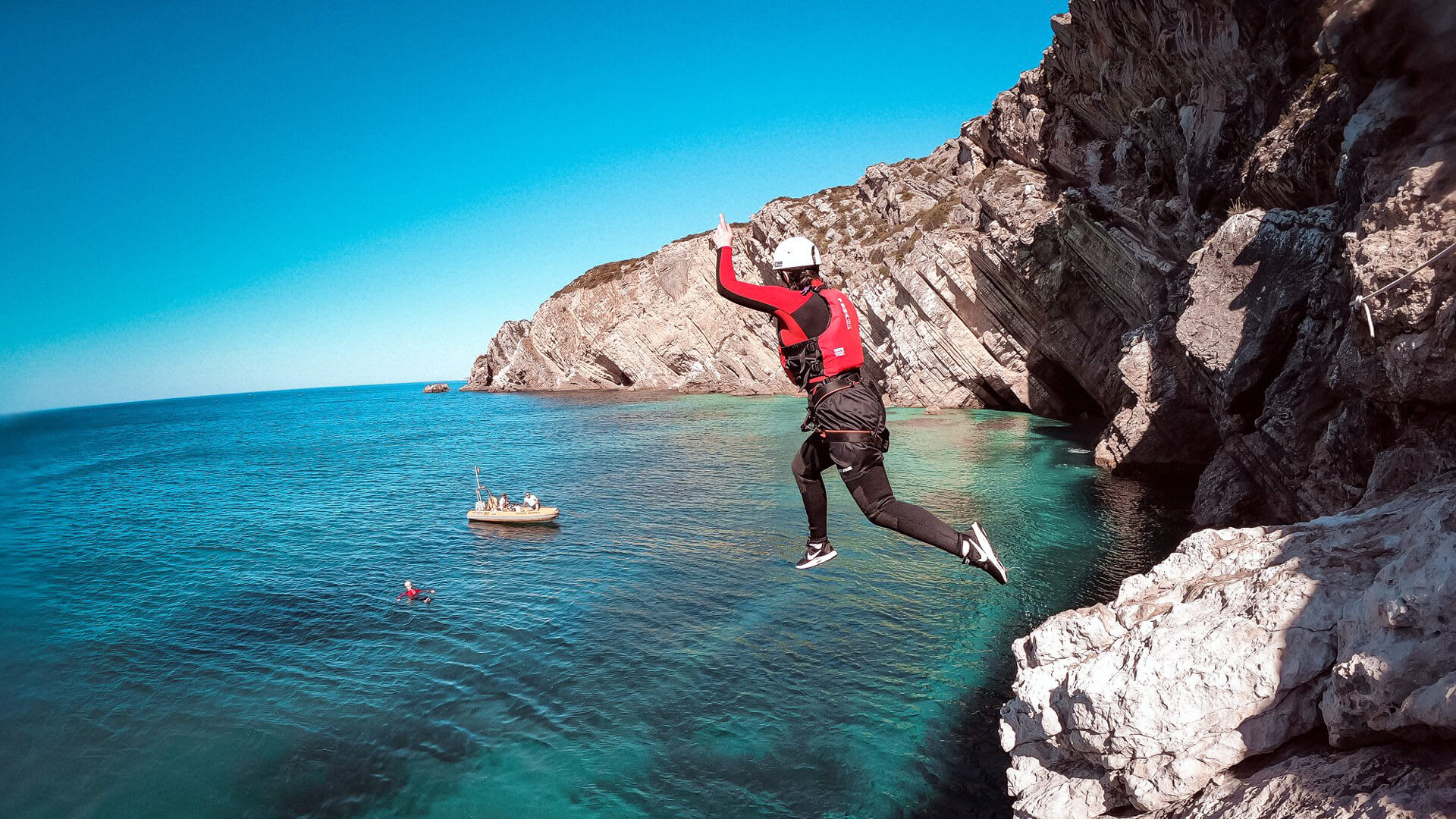
Discover the best national parks for coasteering in Portugal, with cliffs, sea caves, and clear waters perfect for beginners and adventure seekers.
Discover 10 exciting outdoor activities for kids in Guadeloupe, from snorkelling to paragliding. Perfect for family adventures, these experiences combine fun, safety and unforgettab
Not sure when to go kayaking? Discover the differences between winter and summer kayaking, including safety tips, water conditions, and what to expect in each season.
Discover the magic of noctourism! From night kayaking to Northern Lights chases, enjoy cooler temps and fewer crowds for an unforgettable nighttime adventure.
Find out how our content team can help you sell your outdoor activities online!